Communal area Cleaning in Sutton
Keeping shared spaces clean makes a real difference to the day-to-day experience of residents, visitors, staff, and landlords. In a busy area like Sutton, where flats, converted houses, managed developments, office buildings, and mixed-use properties all sit alongside each other, communal spaces can quickly become the first place where standards slip. A well-planned Communal area Cleaning in Sutton service helps keep entrances, hallways, stairwells, lifts, landings, bin stores, and shared touchpoints looking tidy and feeling cared for.
Whether you manage a small block near Sutton town centre, a purpose-built apartment building close to Sutton station, or a larger residential development serving families and commuters, regular cleaning of shared areas is about more than appearances. It supports hygiene, reduces odours, improves safety, and gives residents confidence that the building is being looked after. For local property managers, resident associations, landlords, and letting agents, it can also help prevent small issues from becoming larger maintenance problems.
Our approach to communal cleaning is practical, flexible, and shaped around the building itself. Different properties need different routines: some need light daily attention, others need weekly deep cleaning, and many benefit from a tailored schedule that covers both high-traffic areas and seasonal needs. If you are looking for a reliable local team for communal area cleaning Sutton residents can depend on, this page explains what is included, how the service works, and what to expect when you request a quote.
Why communal areas matter so much in Sutton properties

Shared spaces are the areas people notice first. The hallway, front entrance, lift lobby, and stairwell set the tone for the whole building. In Sutton, where many properties have a mix of owner-occupied flats, rented apartments, and managed communal spaces, those areas often see constant footfall from residents, visitors, delivery drivers, and contractors. Dust, fingerprints, mud, litter, pet hair, and water marks can build up quickly, especially in wet weather or during busier commuting periods.
A clean communal area is not only more pleasant to use; it also supports the long-term condition of the building. Regular cleaning helps protect floors, mats, skirting boards, glass panels, handrails, door furniture, and lift controls from grime and wear. Shared space cleaning can also improve hygiene in buildings where multiple households use the same surfaces every day. That matters in apartment blocks, retirement properties, student lets, and office environments alike.
For residents and property managers, the benefit is simple: well-maintained shared areas create a better living or working environment. A local team that understands Sutton’s property mix can work around access arrangements, resident schedules, and parking restrictions, which makes the service smoother and more dependable.
What our communal area cleaning service includes

Every building is different, so the exact cleaning plan should reflect the layout, level of use, and expectations of the people who live or work there. A good communal area cleaning service in Sutton typically covers the parts of the property that everyone uses and the surfaces that collect dirt most quickly.
Common tasks may include:
- Sweeping, vacuuming, and mopping communal floors
- Cleaning entrance mats and removing debris from doorway areas
- Dusting skirting boards, ledges, banisters, and handrails
- Wiping down lift buttons, call panels, and door handles
- Cleaning internal glass, mirrors, and visible marks on doors
- Removing litter from landings, stairwells, and shared corners
- Cleaning communal bins, bin store floors, and surrounding areas
- Spot-cleaning marks on walls, switches, and low-level surfaces
- Keeping reception or lobby areas presentable
- Refreshing washroom-adjacent shared areas where relevant
Some buildings also need periodic deep cleaning for more thorough attention. This may include washing down walls in high-touch areas, cleaning behind entrance furniture, tackling built-up dirt in stair corners, or carrying out extra seasonal tasks such as post-winter grit removal. A tailored plan helps ensure that the areas most likely to become dirty are cleaned at the right frequency.
Important note: the best results usually come from combining routine cleaning with occasional deeper work. That keeps communal spaces consistently presentable without over-cleaning unnecessary areas or missing the places that matter most.
Types of properties we support in and around Sutton

Sutton includes a wide variety of property types, and each one comes with different cleaning requirements. Local flats above shops may have narrow staircases and limited storage. Purpose-built apartment blocks often need regular entrance and lift cleaning. Converted Victorian and Edwardian houses may have shared hallways that need careful attention to older finishes. Newer developments may include glass, metal, and polished surfaces that show marks quickly. A flexible local service is the best way to keep all of these spaces in good condition.
We commonly support:
- Apartment blocks and residential developments
- Converted houses with shared entrances and staircases
- Private landlord-managed properties
- Housing association and estate-managed buildings
- Retirement living developments
- Mixed residential and commercial premises
- Office buildings with shared internal areas
- Small blocks where residents want regular maintenance cleaning
Local knowledge matters because properties in Sutton often have practical limitations. Some buildings have limited parking near the entrance, narrow access routes, timed entry systems, or shared key arrangements. A team used to working across the borough can plan visits with those realities in mind, helping avoid disruption to residents and ensuring the job gets done efficiently.
Why choose a local communal cleaning company in Sutton
Choosing a local team for communal area cleaning Sutton customers can rely on offers several clear advantages. It is easier to arrange visits around your building’s routine, and local cleaners are usually better placed to understand the pace of the area, transport patterns, and the property styles commonly found nearby. That can make communication smoother and service more consistent.
A local company is also more likely to appreciate the details that matter to residents. For example, some blocks need early-morning cleaning before commuters leave for work, while others need later visits to avoid disturbing families, shift workers, or older residents. In Sutton and nearby areas such as Cheam, Belmont, Carshalton, Wallington, Worcester Park, Banstead, and Epsom, access requirements can vary from one building to the next. A neighbourhood-focused service can adapt more easily.
Local expertise also helps when dealing with shared access, waste stores, seasonal leaf fall, and the muddy conditions that can affect entrance areas during wet months. Rather than offering a one-size-fits-all approach, a good provider will help you create a plan that fits the building, the residents, and the level of use. That is especially valuable when multiple households depend on the same shared environment every day.
How the service works

Booking communal cleaning should feel straightforward. The process usually starts with a discussion about the property, the number of floors or entrances, the areas that need attention, and how often cleaning should take place. From there, a site visit or assessment may be arranged if needed, especially for larger blocks or buildings with unusual layouts.
A typical process may look like this:
- Initial enquiry — you share the building details, current issues, and preferred cleaning frequency.
- Assessment — the property is reviewed so the cleaning plan reflects access, layout, and priorities.
- Tailored schedule — a routine is set for daily, weekly, fortnightly, or monthly visits depending on need.
- Regular cleaning visits — the agreed tasks are completed consistently and recorded where required.
- Review and adjustments — the service can be refined if footfall changes, seasons shift, or new concerns arise.
Many customers appreciate a service that is simple to manage. That means clear task lists, agreed visit timings, and a practical approach to shared spaces. For residential blocks, communication with managing agents or building representatives is often important. For commercial premises, cleaning can be scheduled around office hours or tenant access needs. In both cases, the goal is to keep the building looking cared for without creating unnecessary disruption.
Book your service now if you want a dependable routine that keeps communal spaces tidy, hygienic, and ready for everyday use.
What makes a good cleaning schedule for shared spaces?
The right schedule depends on use, not just size. A small building with heavy footfall may need more frequent cleaning than a larger one with fewer residents. Likewise, a property near busy roads or public transport routes may collect dust and grit faster than one in a quieter residential street. Good planning takes all of that into account.
For many Sutton properties, a sensible schedule may include:
- Daily or near-daily entrance and high-touch cleaning for busy buildings
- Weekly upkeep for moderate-traffic residential blocks
- Extra attention after bad weather or seasonal leaf fall
- Periodic deep cleaning for stairs, landings, and hidden edges
- Flexible visits for properties with changing occupancy patterns
The best schedule is one that keeps the building clean without wasting effort. That is why a local service should be tailored rather than fixed. When the routine matches the building, the results are more consistent and better value for everyone involved.
Areas covered across Sutton and nearby neighbourhoods
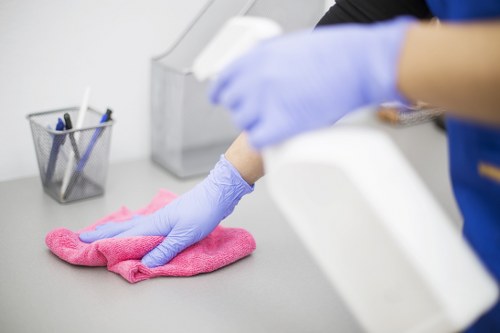
Communal cleaning needs can arise across the whole borough, from Sutton town centre to quieter residential pockets. We work with customers in Sutton and surrounding locations where apartment blocks, shared houses, and managed developments all benefit from reliable maintenance cleaning.
Areas commonly covered include:
- Sutton town centre
- Cheam
- Carshalton
- Belmont
- Wallington
- Worcester Park
- Banstead
- Rosehill
- St Helier
- North Cheam
That local coverage is useful because nearby properties often face similar issues: traffic dust, wet-weather marks, entrance wear, and litter around shared access points. It also means a cleaning plan can be adjusted if a building has restricted access windows, limited on-street parking, or resident-only entry arrangements. A team that already works in the area is more likely to understand how to arrive, work, and leave without causing inconvenience.
What residents and managing agents usually want to know
People looking for communal area cleaning in Sutton usually want three things: consistency, clear communication, and visible results. Residents want to see that shared spaces are being cared for. Managing agents want a routine that is dependable and easy to oversee. Landlords want to protect the condition of the building and improve the experience for occupiers. A good service should meet all three needs.
In practical terms, that means cleaning should focus on the areas that matter most to daily use. A tidy entrance, a clean staircase, and well-maintained floors can transform how a property feels. It is not about over-polishing every surface; it is about keeping the shared parts of the building at a standard that makes sense for the people using them. Simple, regular attention often makes the biggest difference.
It also helps when the service is easy to scale. A building may start with weekly visits and later need more frequent cleaning as occupancy rises. Another may need a shorter visit in quieter months but extra work during winter. Flexibility matters because the needs of the property can change over time, and the cleaning plan should change with them.
Benefits of regular communal cleaning
Regular maintenance does more than improve first impressions. It supports the overall condition and usability of the building.
- Improves hygiene in shared areas
- Reduces visible dirt, litter, and odours
- Helps protect flooring and fixtures from build-up
- Makes entrances and stairwells feel safer and more pleasant
- Supports resident satisfaction in managed buildings
- Helps property managers maintain standards more easily
- Can reduce complaints about untidy shared spaces
For many customers, the biggest advantage is peace of mind. Once the routine is in place, there is one less thing to worry about. Residents can use the building without feeling let down by dirty floors or neglected communal touchpoints.
Preparation checklist for a smoother clean
Most communal cleaning work can be carried out with minimal preparation, but a few simple steps make access easier and help the visit run smoothly. If you manage the property, use this checklist before the first clean or whenever the schedule changes.
- Make sure access arrangements are clear, including key fobs, codes, or lock procedures.
- Inform residents or occupiers of the cleaning timetable if needed.
- Remove any personal items left in hallways or landings that may block cleaning.
- Report any known hazards, spillages, broken lights, or damaged surfaces in advance.
- Confirm which areas are shared and which are private so nothing is missed or disturbed.
- Check whether bin store access, lift access, or parking permissions are required.
These small steps help the cleaner work efficiently and respectfully. They also reduce delays, which is especially useful in buildings where access windows are short or parking is limited. In Sutton, that practical planning can make a noticeable difference, particularly in busier streets or developments with controlled entry.
If you are a resident committee member or property manager, it is worth keeping a simple cleaning checklist on file so everyone knows what is included and how the service is expected to run.
Pricing factors for communal area cleaning
While exact costs vary from one property to another, there are several factors that commonly influence the level of service needed. It is better to think in terms of the building’s requirements than a one-size-fits-all rate, because two seemingly similar blocks can require very different cleaning schedules.
Typical pricing factors include:
- Size of the communal area and number of floors
- Frequency of visits required
- Number of entrances, stairwells, and lifts
- How much footfall the building receives
- Whether bin stores, glass, or extra touchpoints are included
- Any need for periodic deep cleaning or seasonal work
- Access complexity, parking, and time restrictions
- Special requirements for commercial or mixed-use premises
If you are requesting a quote, the most helpful thing you can do is give a clear description of the building, the areas to be cleaned, and the level of service you want to maintain. That allows a local team to provide a realistic proposal that fits the property rather than an estimate based on guesswork.
Tip: when comparing providers, look beyond the headline. Ask what is included, how often visits happen, how consistency is maintained, and whether the schedule can be adjusted when building needs change.
Residential and commercial customers welcome
Communal cleaning is not just for apartment blocks. Many Sutton businesses also rely on shared spaces that need regular attention. Offices with common corridors, reception areas, kitchens, and stairwells benefit from dependable upkeep. Mixed-use premises with residents above commercial units may need a service that balances both customer types. Managed residential buildings may need more frequent cleaning at peak occupancy times, while smaller landlords may prefer a lighter routine that keeps standards steady between tenancies.
For residential customers, the focus is usually on entrances, hallways, stairs, lifts, bins, and shared access points. For commercial customers, the priorities may include reception areas, internal glass, corridors, lifts, and client-facing spaces. The core principle stays the same: shared areas should look cared for, feel hygienic, and be maintained regularly.
That is why many local customers choose a service that is adaptable rather than rigid. Different buildings and user groups need different approaches, and the right plan should be based on practical use rather than a fixed template.
Frequently asked questions
Below are some of the questions people often ask when arranging communal area cleaning in Sutton. If you are unsure about what your building needs, these answers may help you decide what to request.
How often should communal areas be cleaned?
It depends on footfall, building type, and resident expectations. Busy apartment blocks may need daily or several-times-per-week visits, while quieter buildings may only need weekly cleaning. A tailored schedule is usually the most effective option.
Can the service be adapted for different areas of the building?
Yes. Some buildings only need entrance and hallway cleaning, while others require lifts, bin stores, staircases, glass, and shared touchpoints as well. The service should match the property’s layout and requirements.
What if the building has difficult access or parking issues?
A local team can usually plan around restricted access, timed entry, or limited parking. It helps to mention these details early so the visit can be scheduled efficiently and without disruption.
Do you clean both residential and commercial communal areas?
Yes. Communal cleaning is suitable for apartment buildings, mixed-use properties, office buildings, and other premises with shared internal spaces.
What makes a local service better for Sutton properties?
Local knowledge means a better understanding of property types, traffic patterns, and access challenges in the area. That can make scheduling easier and help the service fit more naturally into the building’s routine.
Can you handle seasonal dirt such as mud, leaves, or grit?
Regular cleaning can include extra attention during wetter months or at times when entrances gather more debris. Seasonal build-up is common in shared spaces, especially where people walk in and out frequently.
How do I get started?
Start by asking for a quote and sharing the building details, current concerns, and the areas that need cleaning. From there, a suitable routine can be put together for your property.
Why customers choose professional communal area cleaning
There is a difference between occasional tidying and a reliable maintenance clean. Professional communal area cleaning brings consistency, attention to detail, and a routine that can be depended on. That matters in buildings where several households or businesses share the same space, because no one person is responsible for the whole area, yet everyone notices when standards drop.
A professional service also brings a more structured way of working. Tasks are completed in the right order, high-touch areas are given proper attention, and shared spaces are left looking neat rather than simply “not dirty.” For property managers, that can make it easier to demonstrate that the building is being looked after. For residents, it can make daily life noticeably more pleasant.
When communal spaces are clean, the whole property feels better maintained. That is why so many local customers choose to arrange a regular service instead of trying to manage shared areas informally.
Request a quote for communal area cleaning in Sutton
If your building needs reliable, regular care, now is the right time to arrange a service that suits the property and the people who use it. Whether you manage a small block, a larger development, or a mixed-use building, a tailored cleaning plan can help keep shared spaces in good order all year round.
Contact us today to request a free quote for communal area cleaning in Sutton. Share the size of the property, the areas you want cleaned, and how often you would like visits, and a suitable plan can be arranged. Book your service now if you want a cleaner, tidier, more welcoming shared environment for residents, tenants, visitors, or staff.
Clean communal areas help everyone. They improve first impressions, support hygiene, and make the building easier to live in or manage. For customers across Sutton and nearby neighbourhoods, a dependable local service is the simplest way to keep shared spaces looking their best.