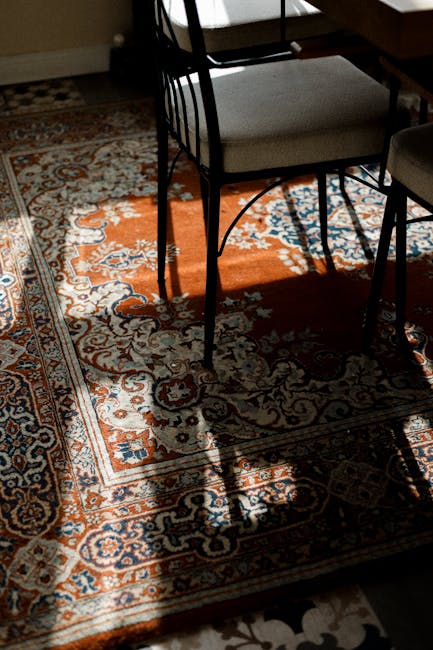
Rug cleaning at Nonsuch Park area Sutton SM3: a practical local guide
If you are looking into Rug cleaning at Nonsuch Park area Sutton SM3, you are probably dealing with one of two things: a rug that needs a proper refresh, or a rug that has crossed the line from "a bit dull" to "we really should do something about this." Fair enough. Rugs take a beating quietly. Shoes, pets, crumbs, spills, muddy paws after a walk near the park, that odd patch by the sofa where everyone rests their feet... it all adds up.
This guide explains how rug cleaning works, what matters most, and how to decide what is best for your rug without risking damage. You will also find a simple checklist, a comparison table, and a few real-world pointers that make the whole thing a lot less confusing. Let's make it practical, not fussy.
- Why rug cleaning matters in the Nonsuch Park area
- How rug cleaning works
- Key benefits and practical advantages
- Who this is for and when it makes sense
- Step-by-step guidance
- Expert tips for better results
- Common mistakes to avoid
- Tools, resources and recommendations
- Law, compliance, standards and best practice
- Options, methods, and comparison table
- Case study or real-world example
- Practical checklist
- Conclusion
- Frequently asked questions
Why Rug cleaning at Nonsuch Park area Sutton SM3 Matters
Rugs do more than decorate a room. They soften a space, reduce echo, and help a home feel finished. But they also trap the stuff you do not want floating around: dust, grit, pollen, pet dander, spills, and everyday soil. In an area like Nonsuch Park, where homes often see a mix of family life, outdoor activity, and regular foot traffic, rugs can get tired faster than people expect.
There is also the local reality of British weather. Wet shoes, damp coats, muddy trainers after a stroll, and the occasional "I'll just wipe my feet properly later" moment. Truth be told, later usually never happens. That is why regular rug cleaning is not just cosmetic. It helps preserve fibres, keeps colours brighter, and reduces the gritty wear that gradually eats away at the pile.
For many households, the biggest issue is not a single dramatic stain. It is build-up. The rug looks fine from across the room, but once you kneel down, you notice flattened fibres, dull traffic lanes, and a smell that is just a little too lived-in. Proper rug care resets all of that.
It also matters if you are trying to maintain a healthier indoor environment. While no cleaning method can remove every allergen or particle forever, a well-cleaned rug generally holds less of the dust and debris that get kicked back into the room. That can make the whole place feel fresher, lighter, and less stale. A small change, but you notice it.
How Rug cleaning at Nonsuch Park area Sutton SM3 Works
Rug cleaning is not one single process. The right method depends on the fibre, backing, dye stability, level of soiling, and whether the rug has stains, pet accidents, or odour issues. A decent service should start with inspection, because guessing is how people ruin nice rugs. And nobody wants that.
Here is the usual flow:
1. Inspection and fibre identification
The cleaner should first look at the rug type: wool, synthetic, viscose, cotton, silk blend, flatweave, hand-knotted, tufted, or something more specialist. Each one reacts differently to water, agitation, and cleaning agents. Even two rugs that look similar may need different treatment.
2. Dry soil removal
Loose grit is removed before any wet cleaning begins. This matters more than most people realise. Grit acts like sandpaper once moisture and agitation are involved, so getting it out early helps protect the fibres.
3. Spot treatment
Stains are checked and pre-treated. Coffee, wine, pet accidents, makeup, and muddy marks all behave differently. The cleaner may use targeted stain removal or stain removal methods depending on the situation. Patience helps here. Rushing stain work often makes things worse.
4. Main cleaning stage
This may involve hot water extraction, low-moisture cleaning, hand washing, or a controlled steam-based process such as steam carpet cleaning adapted for rug care. The choice depends on the rug and the condition of the fibres. A good cleaner will not force a one-method-fits-all approach. That is usually the sign of a shortcut.
5. Rinse and residue control
Detergent residue can leave rugs feeling stiff or attract soil faster after cleaning. So proper rinsing and extraction matter. Less residue usually means a better finish and a longer-lasting result.
6. Drying and finishing
Controlled drying is important. Rugs should be dried evenly, ideally in a way that avoids shrinkage, colour migration, or a lingering musty smell. Once dry, fibres may be groomed to restore the nap and improve appearance.
In practical terms, the best rug cleaning service is the one that treats your rug like a textile, not a floor mat. That difference matters.
Key Benefits and Practical Advantages
There are some obvious benefits, and a few that people only notice after the rug is back in place. Here is the real-world version.
- Brighter appearance: colours usually look fresher once embedded soil is removed.
- Reduced odour: a deep clean can help with pet smells, food odours, and general stuffiness.
- Longer rug life: removing grit and residue reduces fibre wear.
- Better room feel: the whole space often feels cleaner, not just the rug.
- More comfortable underfoot: fibres can feel softer and less compacted after cleaning.
- Improved stain management: fresh treatment can stop old spills from setting further.
There is also a financial angle. Rugs, especially quality wool or hand-made pieces, can be expensive to replace. Proper cleaning is often the more sensible option, provided the rug is suitable for it. That is why matching the method to the rug is such a big deal.
Expert summary: the best rug cleaning is not the most aggressive one. It is the one that removes soil, protects the fibres, and leaves the rug stable, clean, and properly dried. Simple, but not always easy.
Who This Is For and When It Makes Sense
Rug cleaning is worth considering if your rug shows visible soiling, lingering smells, dull patches, or a stubborn stain that has outstayed its welcome. It is also a smart move if you have pets, small children, guests coming over, or a rug in a high-traffic room like a hallway, lounge, or dining area.
It makes even more sense if:
- your rug is made of wool, silk, or another delicate fibre
- the rug has sentimental or decorative value
- you have tried home cleaning and not quite got there
- there is pet hair, odour, or accident staining
- you want to refresh the room without replacing the rug
Some people wait too long because the rug "doesn't look that bad." Then they lift a corner, or move a table, and suddenly the truth appears in a perfect rectangle. It happens all the time. If that sounds familiar, you are not alone.
For landlords, tenants, and homeowners preparing a property, rug cleaning can also be a useful part of broader deep cleaning, especially when used alongside deep cleaning or end-of-tenancy cleaning. In those settings, a clean rug often lifts the whole impression of the room.
Step-by-Step Guidance
If you are deciding what to do with a rug, this is the practical route I would suggest. No drama, just a sensible sequence.
- Identify the rug type. Check the label if there is one. If not, inspect fibre feel, backing, weave, and age. When in doubt, assume it is more delicate than it looks.
- Look for existing damage. Fraying, colour run, weak seams, worn edges, and past repairs matter. A cleaner needs to know before any moisture goes near it.
- Test for colour stability. This is especially important for bright, dyed, handmade, or older rugs. You do not want colours bleeding into one another. That is a very unpleasant surprise, to put it mildly.
- Remove loose dirt. Vacuum both sides where suitable. If the rug is fragile, use lower suction or seek advice first.
- Treat stains carefully. Blot, do not scrub. Use the right solution for the stain type rather than reaching for whatever is under the sink.
- Choose the right cleaning method. Match the process to the rug material and condition. A wool rug is not treated the same way as a synthetic hallway runner.
- Dry thoroughly. Good drying prevents musty odours, distortion, and moisture issues. Airflow matters.
- Finish and inspect. Check the results in daylight if possible. A rug can look fine in one corner and patchy in another, depending on the pile direction.
A useful habit: take a quick photo before cleaning. It helps you compare the before-and-after result honestly, and it gives you a reference if there is anything to discuss later.
Expert Tips for Better Results
Small things make a big difference with rugs. Here are the tips that tend to matter most in real homes.
- Vacuum regularly, but gently: too much aggressive suction can stress delicate fibres.
- Rotate rugs every few months: this helps even out wear and sun fading.
- Act quickly on spills: blot straight away and avoid pushing liquid deeper into the pile.
- Use a rug pad where appropriate: it reduces slipping and helps airflow underneath.
- Keep food and drink habits realistic: one dinner party and the red wine appears, somehow. Happens.
- Ask about drying times: a cleaner who is vague about drying may not be giving you the full picture.
If you have pets, pay extra attention to odour and underlayer contamination. Surface cleaning alone may not be enough. For that reason, services that also handle pet stain and odour removal can be especially useful in family homes. It is not glamorous, but it is very practical.
And one more thing: if a rug is antique, handmade, or unusual, better to ask first than regret later. A cautious approach is not overkill. It is common sense with nicer textiles.
Common Mistakes to Avoid
Rug cleaning can go wrong in surprisingly ordinary ways. Most mistakes are not dramatic; they are the kind people make because they are in a hurry.
- Scrubbing stains hard: this can distort pile and spread the mark.
- Using too much water: over-wetting may lead to browning, shrinkage, or slow drying.
- Skipping fibre checks: the wrong method on the wrong rug is asking for trouble.
- Leaving residue behind: sticky detergent attracts soil again.
- Drying unevenly: this can cause smells or shape changes.
- Ignoring the backing: some damage starts underneath where you do not see it.
Another common issue is expecting one clean to solve years of wear. A good service can make a huge difference, but badly worn fibres may still show age. That is not a failure. It is just the reality of textiles that have lived a bit.
If you are trying to manage several fabric items at once, it may be worth comparing options such as sofa cleaning or curtain cleaning at the same time, especially if the room overall has started to feel flat. Sometimes the whole space benefits from one coordinated clean.
Tools, Resources and Recommendations
You do not need a shed full of equipment to care for a rug properly, but you do need the right basics. The difference between "helpful" and "harmful" often comes down to restraint.
| Tool or item | What it helps with | Good practice note |
|---|---|---|
| Vacuum cleaner | Removing loose dust and grit | Use suitable suction for the rug type |
| White absorbent cloths | Blotting fresh spills | Avoid coloured cloths that may transfer dye |
| Soft brush or pile brush | Finishing fibres after cleaning | Use lightly; do not rough up delicate pile |
| Rug pad | Reducing slipping and wear | Useful for hard floors and high-traffic areas |
| Specialist cleaning service | Deep cleaning, stain treatment, odour management | Best for delicate, valuable, or badly soiled rugs |
If you are comparing services, it is worth looking at the broader cleaning standards of the provider too. Pages like health and safety policy, insurance and safety, and pricing and quotes can tell you a lot about how the business operates. Not flashy, but reassuring.
When a company explains its process clearly, answers questions about drying and fibre care, and does not dodge the awkward details, that is usually a good sign. Cleaners who know rugs well tend to be specific, not vague.
Law, Compliance, Standards, or Best Practice
For domestic rug cleaning, there is usually no special legal process the homeowner must follow, but good practice still matters. A professional provider should work safely, use appropriate products, and handle your property with reasonable care. If a cleaner is working in your home, you should expect sensible precautions around moisture, electrical equipment, ventilation, and safe access.
There are a few practical standards to keep in mind:
- Insurance and liability: a reputable cleaner should be clear about cover for accidental damage, especially on valuable rugs.
- Product safety: cleaning agents should be used according to manufacturer guidance and applied carefully on sensitive fibres.
- Workplace safety: even in domestic settings, equipment cables, wet floors, and chemical handling should be managed properly.
- Data and privacy: if you book online or request a quote, the business should handle personal information responsibly.
If you are checking a company's wider policies, resources such as privacy policy, terms and conditions, and payment and security are sensible reading. Also, if sustainability matters to you, it is fair to ask about water use, detergent choice, and waste handling. Some providers make an effort to reduce waste and manage materials responsibly, which is a nice bonus when it is genuine.
Best practice, in plain English, means this: protect the rug, protect the room, explain the process clearly, and do not cut corners just to finish faster. Simple. Not always easy, but simple.
Options, Methods, or Comparison Table
There is no single "best" rug cleaning method for every rug. The right choice depends on fibre type, age, staining, and how much risk you are willing to accept. Here is a straightforward comparison.
| Method | Best for | Strengths | Watch-outs |
|---|---|---|---|
| Vacuum-only maintenance | Light upkeep and regular care | Quick, safe, low cost | Won't remove embedded soil or stains |
| Spot cleaning | Fresh spills and isolated marks | Fast response, minimal disruption | Can spread the stain if done badly |
| Low-moisture cleaning | Some synthetic and commercial rugs | Faster drying, reduced saturation | May be less effective on deep contamination |
| Hot water extraction | Many carpet-style synthetic rugs | Good soil removal and freshness | Not ideal for every natural fibre |
| Hand washing | Delicate, handmade, or valuable rugs | More controlled and gentle | Can take longer and needs skill |
For homes in and around Nonsuch Park, a practical mix is common: routine vacuuming, quick spill response, and occasional professional rug cleaning for deeper refreshes. That keeps things manageable without turning rug care into a project every weekend. Nobody wants that.
Case Study or Real-World Example
Here is a typical local scenario. A family has a medium-sized wool rug in a sitting room near an entrance used every day after school runs, walks, and weekend outings. Over time, the rug looks slightly grey in the traffic lane, and there is a faint smell that becomes more noticeable on damp evenings. Nothing dramatic, just enough to bother them.
They first try vacuuming more often and blotting a couple of small spills. Helpful, but not enough. When the rug is inspected properly, the main issues turn out to be compacted soil, a few older spots, and residue from a previous DIY cleaning attempt. The cleaner uses a method suited to wool, works on the stained areas carefully, and dries the rug under controlled conditions. The result is not "brand new" because the rug has lived a bit, but the room feels fresher and the colour looks noticeably richer.
The useful lesson is not that every rug needs the same treatment. It is that a careful, fibre-aware process can make a meaningful difference without overdoing it. That is especially true with better-quality rugs where preservation matters as much as appearance.
And yes, there is often a moment when people put the rug back and say, "Oh, so that's what it really looked like." Happens more than you'd think.
Practical Checklist
Use this simple checklist before you book or attempt any rug cleaning work.
- Identify the rug material if possible
- Check for loose threads, worn edges, or previous repairs
- Note any stains, odours, or pet-related issues
- Test a small hidden area for colourfastness if you are cleaning at home
- Confirm how long drying is likely to take
- Ask whether the cleaner understands delicate or handmade rugs
- Check insurance, safety, and payment details before booking
- Make sure the room is clear for safe handling
- Use a rug pad if slipping is a concern
- Plan where the rug will dry before it comes back into place
Quick takeaway: if a rug has value, age, or sentimental importance, care and caution matter more than speed. If it is a simple synthetic rug, a more direct method may be fine. Match the approach to the rug, not the other way around.
Get a free quote today and see how much you can save.
Conclusion
Rug cleaning at Nonsuch Park area Sutton SM3 is really about preserving comfort, appearance, and value in a very normal, very lived-in part of the home. The best results come from sensible preparation, the right cleaning method, and careful drying. Not fancy. Just careful.
If your rug is starting to look tired, smell a little off, or hold on to stains you cannot quite shift, do not wait until it becomes a bigger problem. A good clean can lift a room in a way people notice immediately, even if they cannot say exactly why. That is the nice part. The rug does the talking once it is sorted.
And if nothing else, it is a good feeling to look down and see a rug that feels fresh again. Small win, but a satisfying one.
Frequently Asked Questions
How often should I arrange rug cleaning at Nonsuch Park area Sutton SM3?
It depends on use, fibre type, and whether you have pets or children. Many rugs benefit from regular vacuuming and a deeper clean when visible soil, odour, or dullness starts to show. High-traffic rugs usually need attention more often.
Can every rug be steam cleaned?
No. Some rugs can handle moisture well, but delicate, antique, silk, or certain hand-made rugs may need a gentler method. Always check the fibre type before choosing a cleaning process.
What is the safest way to clean a wool rug?
Wool usually does best with a careful, controlled approach that avoids excess water and harsh chemicals. Low-moisture or hand-washing methods are often preferred, but the exact choice depends on the rug's condition.
Will rug cleaning remove pet smells completely?
It can reduce or remove many odours, but success depends on how deeply the issue has penetrated the fibres or backing. Strong pet odours sometimes need targeted treatment rather than a general clean alone.
How long does a rug take to dry after cleaning?
Drying time varies with the cleaning method, room ventilation, fibre type, and thickness of the rug. A cleaner should be able to give you a realistic estimate before starting.
Is DIY rug cleaning a bad idea?
Not always. Small spills and light maintenance can be handled at home if you are careful. The risk comes with over-wetting, scrubbing, using the wrong product, or treating a delicate rug like a synthetic mat.
What should I do before a rug cleaner arrives?
Clear nearby furniture if possible, point out stains or problem areas, and share any information about the rug's age, fibre, or previous cleaning attempts. The more the cleaner knows, the better the outcome usually is.
Can cleaning damage an old or valuable rug?
It can, if the wrong method is used. That is why inspection matters. Older or valuable rugs should be treated cautiously, with attention to colour stability, wear, and construction.
Do I need to remove the rug from the room myself?
That depends on the service and the size of the rug. Some cleaners will help move it, while others may ask that it is ready in advance. It is best to confirm this when booking.
What should I ask before booking rug cleaning?
Ask about the cleaning method, drying time, experience with your rug type, insurance, stain treatment, and what happens if a problem is discovered during inspection. Clear answers are a good sign.
Are there signs that a rug needs professional rather than home cleaning?
Yes. Persistent odour, deep staining, delicate fibres, uneven fading, shedding, or a rug with sentimental or financial value are all strong reasons to get professional help.
Can rug cleaning also help a whole room feel fresher?
Absolutely. A rug often holds more dust and odour than people expect. Once it is cleaned properly, the room can feel brighter, lighter, and more settled. It is a small change that sometimes has a big effect.